Task seating
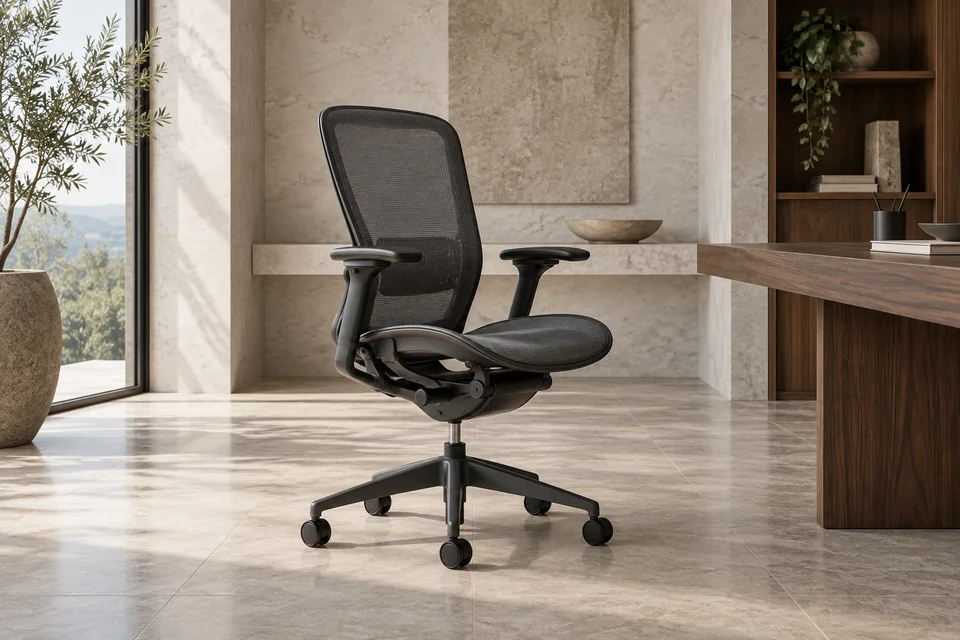
For desk-based work. Compare seat height, back support, arm adjustments and how the chair fits beneath the work surface.

OFFICE SEATING
Different people spend different amounts of time in a chair. Let the user, the task and the surrounding furniture guide the selection.
SUPPORT & COMFORT
Separate everyday work chairs from executive, meeting and visitor requirements before combining the quantities.
For desk-based work. Compare seat height, back support, arm adjustments and how the chair fits beneath the work surface.
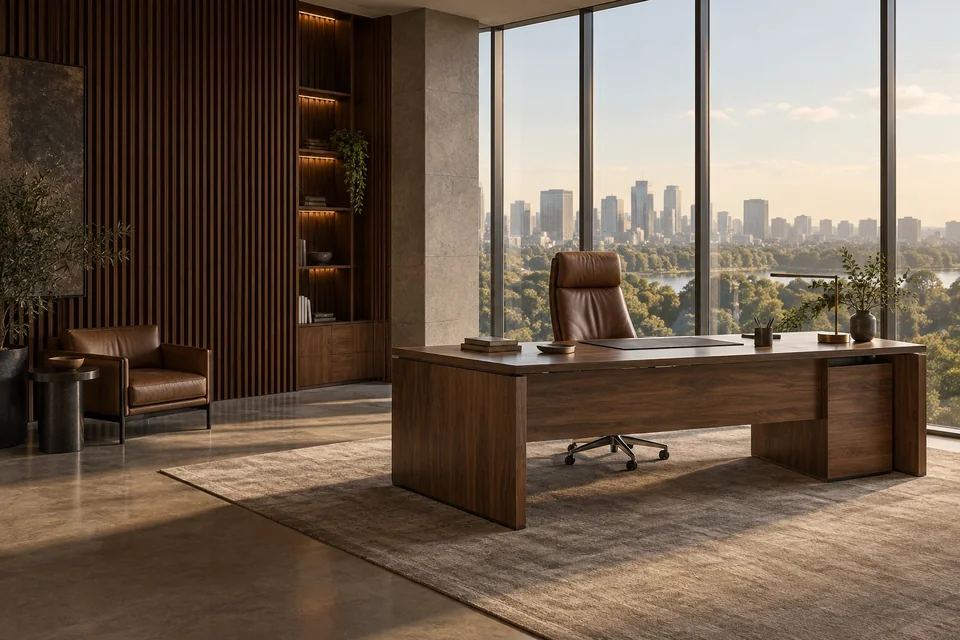
For private offices and leadership spaces. Consider the working requirements alongside the scale and material direction of the room.
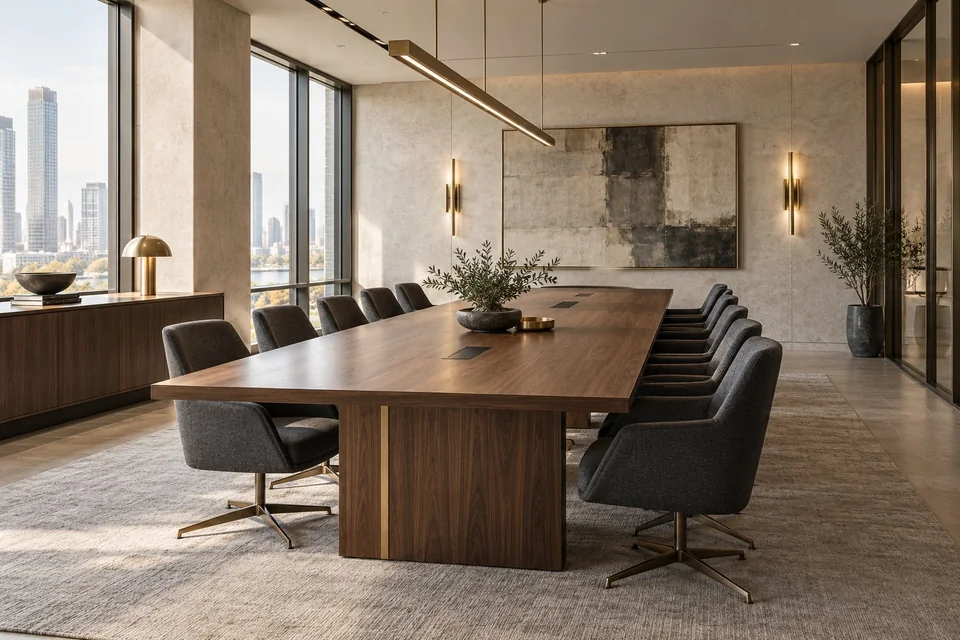
For discussions, arrivals and occasional use. Check table fit, movement space and the expected length of each visit.
THE DETAILS THAT MATTER
A photograph can suggest a direction. An actual chair trial helps you compare the controls, support, fit and feel for the people who will use it.
Discuss user needs and compare available adjustments on the exact proposed chair.
Check seat and arm height against desks, meeting tables and available legroom.
Consider cleaning, upholstery wear and maintenance information for the selected product.
YOUR PROJECT BRIEF
A seating schedule is most useful when quantities are grouped by role and room.
You can keep a coherent material palette while selecting different chair types for focused work, formal meetings and visitor areas. Begin with the requirements of each setting.
Request the dimensions, adjustment features, upholstery information and any required test reports for the exact model. Include a chair trial where possible before final selection.
COMPLETE THE WORKSPACE